Capital gains basics: the tax on your profit
You bought an investment, it went up, you sold it. Congrats, you made a profit. That profit has a name and a bit of tax attached: it's a capital gain.
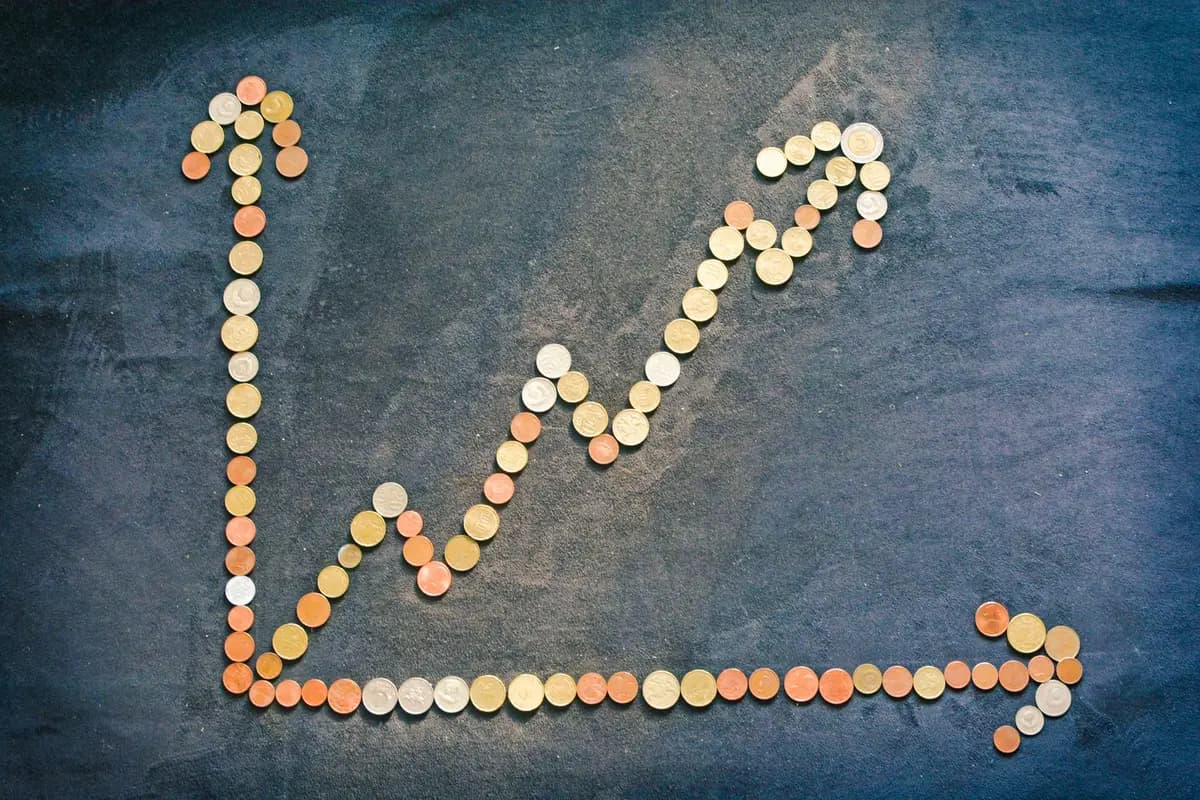
You bought an investment, it went up, you sold it — congrats, you made a profit. Now there's a word for that profit, and a bit of tax attached to it. It's called a capital gain. Let's explain it in the plainest words possible.
A capital gain is the profit you make when you sell something for more than you paid for it. Sell for less, and that's a capital loss.
The simple math
Say you buy a fund for $1,000 and sell it later for $1,500. Your capital gain is $500 — the price you sold at minus the price you paid. That $500 profit is usually what gets taxed, not the whole $1,500.
Why “when you sell” matters
Here's the part people miss: in most places you don't owe anything while an investment just sits there growing. The tax only shows up when you sell and lock in the gain. That's why buy-and-hold investing is so tax-friendly — leave it alone and the tax bill waits.
Short-term vs long-term
Many tax systems reward patience. Hold an investment past a certain point — often a year — and the gain is taxed at a lower, long-term rate. Sell quickly and you often pay more. Yet another nudge toward time in the market.
The honest catch
Rules and rates differ by country and change over time, so the exact numbers here aren't a promise — treat them as the shape of the idea, not tax advice. Gains inside retirement accounts are usually treated differently and may not be taxed the same way.
The takeaway
A capital gain is simply your profit when you sell an investment for more than you paid. You typically only owe tax once you sell, and holding longer often means a lower rate — one more reason the calm, long-term approach tends to win.
How this helps you in CostMe
A gain you never spend keeps growing. CostMe turns the buys you resist into a growing savings number, money that can stay invested and compound, untaxed until you sell.
Start free