The CostMe Monthly
Issue 03 · September 2026
August in review: Rates, oil, and the signal in the noise
A look back at a volatile August. Central banks held firm, oil prices spiked, and supply chains fractured. Here is how those macro shifts translate into the math of everyday decisions.
Read the issue
All issuesThe CostMe blog
On spending, saving,
and seeing it clearly.
Plain-English writing on opportunity cost, compound interest, and the quiet habits that change your financial trajectory. No jargon, no gurus, no “crush your finances.” Just the math and the framing, both honest.
Reading your CostMe insights dashboard
Every choice you make in CostMe leaves a trail. The insights screen is where that trail turns into a picture you can actually read.
Read →Why you (probably) can't beat the market by picking stocks
Everyone has a friend who brags about the one stock that doubled. Nobody brags about the five that tanked. That gap is why most people lose at picking stocks.
Read →The cost of smoking daily: a $1,000,000 habit at $20 a pack
A pack a day is $7,300 a year. The second number is seven figures. Knowing both is what makes quitting a decision instead of a craving.
Read →Tesla vs investing: what a $900 payment becomes in 10 years
This is not anti-Tesla. It is pro second number: know what the payment becomes, then buy the car with open eyes.
Read →Tim Hortons daily: your double-double is $140,000 over 30 years
Keep the ritual, price the upgrade: the large could be a medium, and the difference redirected is a five-figure head start.
Read →The cost of vaping daily: $12 a day is $600,000 over 30 years
Vapes hide in plain sight: cheap per puff, sold everywhere, easy to underestimate. The second number makes the habit visible.
Read →Why checking your portfolio daily hurts you
You finally started investing. Now you check the app five times a day. Here's the strange truth: the more often you look, the worse your decisions and your stress get.
Read →Your monthly CostMe recap, explained
At the end of a month it's easy to forget every little win. CostMe's recap shows you how you actually did, in one friendly look back.
Read →Restoring your CostMe data on a new phone
New iPhone, and you don't want to lose months of resists, your savings total, and that hard-won streak. With a little setup, your history follows you.
Read →Understanding your CostMe badges
Saving is its own reward, but a little gold star never hurts. CostMe marks your milestones with badges so progress feels good along the way.
Read →Choosing your spending categories in CostMe
Tagging a buy feels like a tiny step, but it's the thing that turns a pile of numbers into a clear story of where your money goes.
Read →The cost of waiting to invest
"I'll start once I earn more / feel ready." It sounds responsible. But waiting has a price, and it's bigger than almost anyone guesses.
Read →The opportunity cost of buying coffee: your 30-year number
Coffee is one of life's cheapest pleasures. Its opportunity cost is not a reason to quit. It is a reason to know exactly what you are trading before you decide.
Read →The 48-hour rule for impulse buying: why it works and how to use it
Impulse buying peaks in seconds and decays within days. The 48-hour rule puts the decision on the other side of that decay, where roughly 70% of would-be purchases quietly disappear without regret.
Read →How much does daily spending cost over 30 years?
Small daily purchases feel cheap in the moment. Over 30 years, compounded at the market's historical real return, the numbers are large enough to matter, and honest enough to be useful.
Read →When debt becomes an emergency: the honest checklist
A credit card balance is a math problem with a clear solution. When you are borrowing to pay rent or cannot make minimums, it has become a financial emergency with different solutions. Here is the honest distinction.
Read →Zero-interest promo cards: the catch
The furniture store offers 24 months at 0%. One dollar remaining at the end triggers all 24 months of interest at 26.99% on the full original price. Here is the difference between true 0% and deferred interest.
Read →Credit score and utilization: why 30% is a floor, not a target
You pay on time every month, but your score is lower than expected. The most likely culprit is credit utilization: the ratio of what you owe to your limit. Here is how it works and how to move it.
Read →Debt repayment vs. investing: the real tradeoff
Paying 18% APR debt first beats investing at 7-10% average market returns. But an employer 401(k) match is a 100% guaranteed return. Here is how to think through the actual tradeoff.
Read →Present bias: why your brain always picks now over later
Your brain is wired to overweight the present and underweight the future. That gap explains why you can know a purchase is a bad idea and still make it - and why the fix is structural, not motivational.
Read →Consolidation loans: the tradeoffs
Consolidating $9,000 in credit card debt into one loan at half the interest rate can save $1,600. It can also leave you with both the loan and the card balances if you reload. Here is the honest tradeoff.
Read →Cash advances: the fine print
You pull $300 from an ATM on your credit card. What you did not see: a $15 fee, 27% APR that starts accruing the same day, and no grace period. Here is what cash advances actually cost.
Read →The focusing illusion: how attention inflates the value of a buy
When a product is at the center of your attention, your brain overestimates how much it will improve your life. This is the focusing illusion, and it makes almost every purchase look better from the checkout page than it ever feels once you own it.
Read →Balance transfers: when they help and when they hurt
A 0% balance transfer offer can save you hundreds in interest. It can also restructure your debt without reducing it if you run the old card back up. Here is how to tell the difference.
Read →Minimum payments and the decades they cost
Your minimum payment on a $5,000 balance is $100. That feels manageable. What it does not tell you: at that rate, you will still be paying it off in 2046 and will have paid over $7,000 in interest.
Read →What APR actually means (and why 22% costs more than you think)
Your card says 22% APR. You think: roughly $22 per year on every $100 I carry. The real number is higher, and it compounds every single day. Here is how to read the rate accurately.
Read →Why the people around you shape what you spend
Your brain tracks what the people around you earn and spend, and quietly adjusts your sense of normal. This is one of the most consistent and least noticed ways budgets drift upward.
Read →Avalanche vs. snowball: the math
Two people owe $12,000 across three credit cards. Same balances, same rates, same budget. One pays $800 more than the other. The difference is the order they attack the debts. Here is the math.
Read →Compound interest: the math behind the eighth wonder
The famous Einstein attribution cannot be verified, but the math it describes is real and reliably surprising. Here is why compound interest grows faster than intuition expects, and what that means for every financial decision.
Read →The Rule of 72: how fast does your money double?
Divide 72 by the rate. That is the whole rule. Applied to savings, debt, and inflation simultaneously, it reveals something most people find genuinely surprising about the pace of compounding.
Read →Compound vs simple interest: where the gap lives
On a $10,000 investment at 8% for one year, the difference between simple and compound interest is negligible. Over 30 years, the same principal at the same rate produces a gap of thousands. That is not a quirk, it is how compounding works.
Read →Time vs amount: which matters more for compounding?
The intuitive answer is that investing more wins over investing sooner. Run the numbers out 30 or 40 years and you get a different answer. A smaller amount started earlier can outgrow a larger amount started later, sometimes by a wide margin.
Read →The cost of waiting one year to start investing
Waiting one year to start is not a small thing dressed as a small thing. It is a small thing that compounds into a large thing, quietly, over 30 years. The math on a single year of delay is worth knowing before you make the decision.
Read →Dollar-cost averaging explained without jargon
Dollar-cost averaging is investing a fixed amount on a regular schedule regardless of what the market is doing. The point is not to predict the market. The point is to stay in it consistently.
Read →The S&P 500 over 100 years: what the track record shows
A century of S&P 500 data contains 25 recessions, two world wars, multiple crashes of 30% to 50%, and a long-run average annual return of roughly 10%. Understanding what that record includes matters as much as the number itself.
Read →Inflation: the silent tax on cash
Cash in a zero-yield account looks stable. The number on screen stays the same. But the amount of goods that number can buy decreases every year inflation runs above the account yield. That gap is the silent tax on cash.
Read →Tax-advantaged accounts: the 401(k) and Roth cheat sheet
The core difference between a 401(k) and a Roth IRA is when the tax break happens: before you invest or after. That timing decision, made once, shapes three decades of compound returns.
Read →The coffee investment math is real, but not the point
The '$5 coffee becomes $275,000 invested' calculation is arithmetically correct. The pushback it gets is usually deserved, but for the wrong reasons. Here is what the math actually says and what it leaves out.
Read →Procrastination Spending: Why Your Cart Fills Up When Work Gets Hard
The cart fills up the moment the hard thing appears. This is procrastination spending: not desire, but avoidance dressed up as a purchase. Here is why it happens and how a deliberate pause breaks the loop.
Read →The mere exposure effect: why you want things just from seeing them
You did not think you wanted it. Then you saw it three times. Then five. By the time you bought it, it felt obvious. That feeling was built by repetition, not judgment.
Read →The planning fallacy: why your budget always comes up short
You made a budget and believed it. Then the month ended over again. The problem is not discipline. It is the planning fallacy - and the fix is simpler than you think.
Read →Why you can't trust yourself when you really want something
There is a version of you reading this and a version of you in the store. They see the same price tag and weigh it completely differently. Only one gets to make the call.
Read →The paradox of choice: why more options lead to worse decisions
Forty kinds of jam, fifty streaming plans, a hundred sneaker colorways. More choice sounds like freedom. At some point it stops being one.
Read →Why hunger, tiredness, and sadness make you spend more
When you're hungry, tired, or in a low mood, your brain doesn't label the feeling correctly. It just finds the nearest thing worth wanting and points the craving there. That's when spending gets expensive.
Read →Why time in the market beats timing the market
The investors who trade most consistently earn the least. Staying invested through volatility, without trying to call the right moment, is not passivity. It is the strategy the evidence supports.
Read →Tax-deferred vs taxable accounts: the 30-year gap
Two investors, same fund, same return. After 30 years, one has significantly more. The only difference is which account type they used. The gap comes from taxes compounding against you in one and not in the other.
Read →Dollar-cost averaging: the honest math
Investing a fixed amount regularly sounds like a built-in edge. The honest math says lump sum investing beats it about two-thirds of the time. Understanding why people still prefer it anyway is the more useful lesson.
Read →The cost of a 2 percent annual fee over 30 years
A 2% annual fee never feels like much in a single year. Over 30 years, it can cost more than all the market gains on a large portion of your portfolio. The mechanism is the same compounding that makes saving work, running in reverse.
Read →How compounding frequency affects your final balance
Marketing loves to emphasize daily compounding over annual. The actual gap, on a $10,000 balance at 6% over 30 years, is about $270. What moves the needle is the rate, the time horizon, and how consistently you add to the principal.
Read →Why the first price you see changes every price after it
Retailers know that the first number you see for anything becomes the ruler everything else gets measured against. That first number is usually theirs.
Read →The what-the-hell effect
You break a small rule, and instead of moving on, something shifts. The week is already ruined, so the rest stops counting. That quiet logic is the what-the-hell effect, and it costs far more than the original slip.
Read →Medical debt: how it works differently
Medical debt does not behave like the rest of your debt. It rarely compounds, the bill is often wrong, and it is far more negotiable. Treating it the same way costs money.
Read →Student loan strategies: avalanche vs IDR vs forgiveness
Student loans come with options no other debt offers. The decision is a fork between paying down fast, income-driven repayment, and forgiveness, and the right one depends on your life.
Read →How to negotiate a lower APR with your card issuer
One of the most effective money calls you can make is asking your card issuer for a lower rate. It feels presumptuous; you have more standing than you think.
Read →Balance transfers: when they help, when they're a trap
Move your balance and pay 0% for 18 months sounds like free money. With a payoff plan it saves a lot; without one it resets to a high rate with a fee already paid.
Read →Refinancing math: when it pays, when it costs
Refinancing sounds like an obvious win: lower rate, lower payment. But it is not free, and the fees decide whether the lower rate actually leaves you ahead.
Read →The compounding of small wins
One skipped impulse buy is almost nothing. A hundred across a year is a different person with a different balance. Small wins compound too, and not only in dollars.
Read →Cash advances: the hidden fee structure
Taking cash from a card looks like a withdrawal. It is one of the most expensive ways to borrow, and the cost hides in three layers that each look small.
Read →Why boredom feels expensive
A lot of spending starts with nothing to do. Boredom is a mild, restless search for stimulation, and a shopping app is the easiest thing in the world to pour into it.
Read →Credit card APR explained, without the lecture
You know a higher APR is worse. The actual meaning is simple, and it points to one habit that makes the number stop mattering most of the time.
Read →Compound interest on credit card debt: the math backwards
Compound interest is sold as the engine of wealth. The same engine runs on a credit-card balance, pointed the other way, compounding a little more each day.
Read →Should you invest or pay off debt? The honest math
You have a spare $500 and two responsible homes for it: pay down a card, or invest. The fog clears once you compare a guaranteed return to an expected one.
Read →Compound interest vs simple interest, in plain English
Two accounts start with $10,000 at 10%. Thirty years later one holds $40,000 and the other $174,000. The only difference is which kind of interest each paid.
Read →The Spotlight Effect: Nobody Notices Your Stuff
You buy the jacket half for yourself and half for the moment someone notices it. Then you wear it out and almost nobody says a word, because almost nobody was looking.
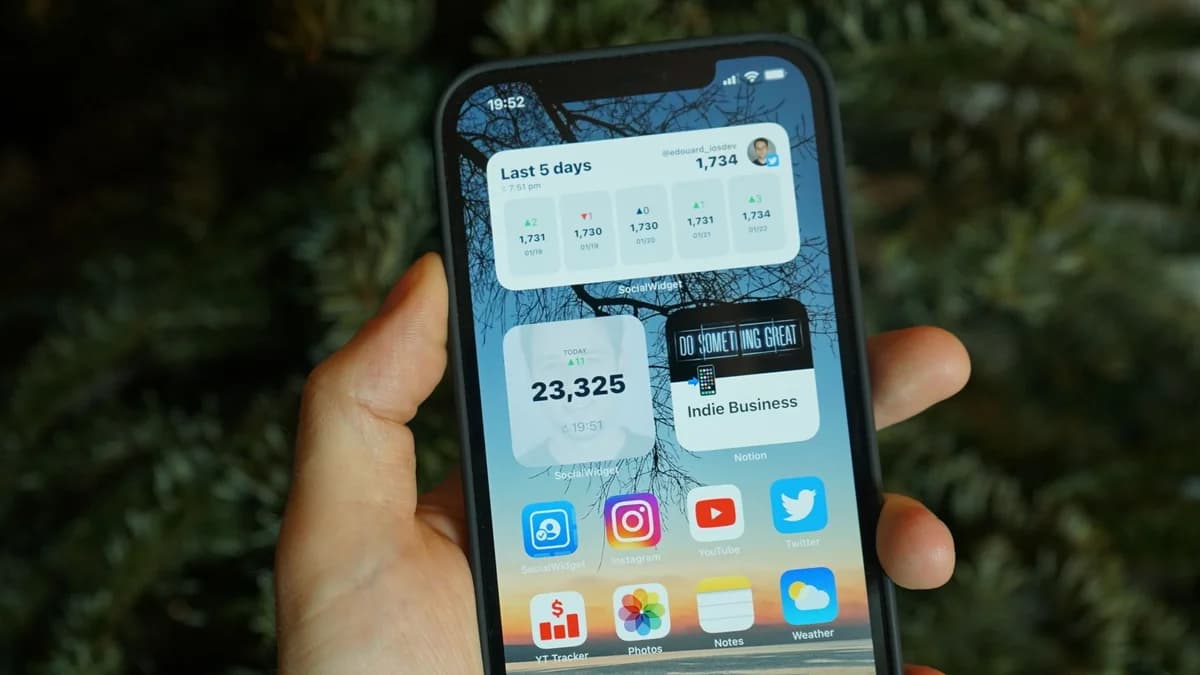
Read →Adding CostMe to Your Home Screen
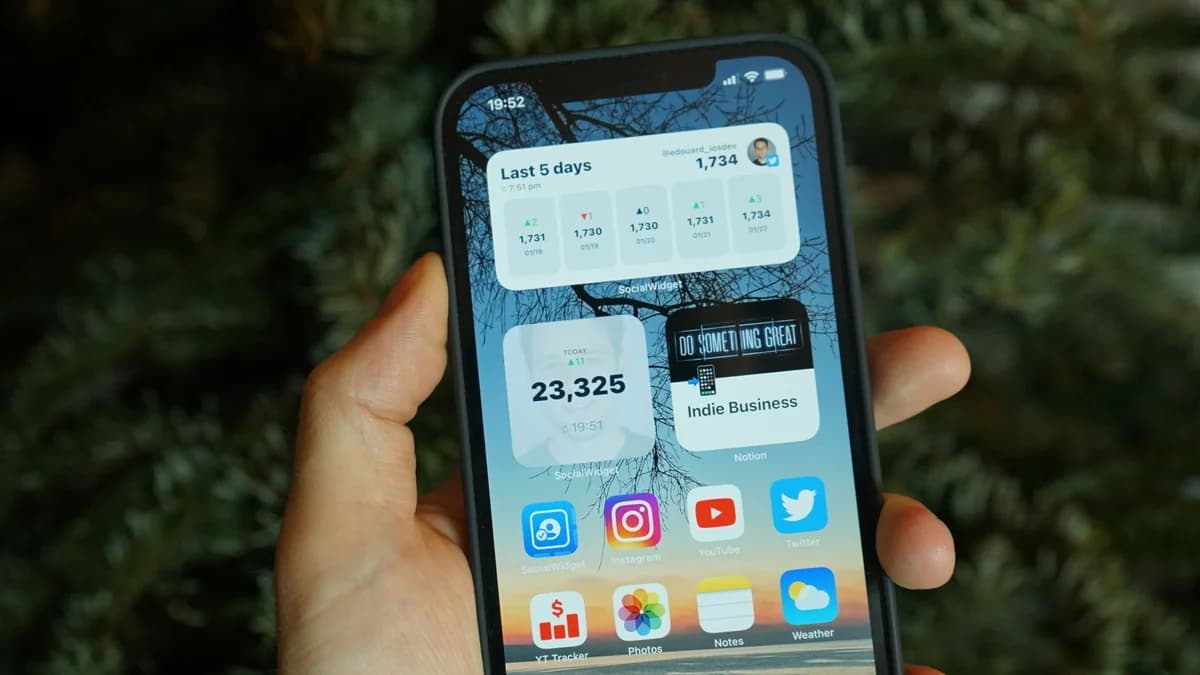
The best money tool is the one you actually reach for. Installing CostMe on your home screen takes thirty seconds and puts the 30-year number one tap away, right next to the apps that tempt you.
Read →Vault, Pause, or Log: Which Button to Tap
Three buttons, one moment of decision. Knowing which to tap and when is what turns a moment of wanting into useful data about yourself. The honest choice is always the right one.
Read →Hedonic Adaptation: Why New Things Stop Feeling New
The headphones felt incredible for about nine days. Then they were just the headphones. That fade is not a flaw in you or the product. It is the rule, and once you see it, the next splurge looks very different.
Read →How to Ride Out the Urge to Buy
The cart is open and something in you leans forward. The room gets smaller and the urgency feels like a fact. It isn't. It's a wave, and waves pass if you let them.
Read →The Scarcity Trap: Why Being Short on Money Costs More
Being short on cash does not just mean fewer options. It taxes your attention right when you need it most, and that tax shows up at the checkout. Here's the loop, and how to need less willpower to break it.
Read →The 2-minute rule for money habits
'Save $5,000' is so big you start tomorrow, and tomorrow never comes. The 2-minute rule shrinks the habit until it's too small to skip. The point isn't to do a lot. It's to show up.
Read →Projection Bias: Buying for a Future Self You Invent
You buy the camping stove on a sunny Saturday and the blender the week you swore you'd drink smoothies. None of it was bought by the person who has to own it. Here's the glitch, and how to slow it down.
Read →The $4,272 Pair of AirPods
Three pairs of AirPods over three years came to $4,272. The same dollars in an S&P 500 index fund over thirty years would have been close to $74,000. The founder's story of how the two halves of his money brain finally got introduced.
Read →The Licensing Effect: When Being Good Justifies a Splurge
You save all month, then drop two hundred dollars because you've been so good. The reward feels earned. It usually costs more than the discipline ever saved.
Read →The Decision You're Making Right Now
Every purchase exists in two timelines at once: the loud one of the next ten minutes, and the silent one of the next ten thousand sandwiches. The trick is knowing which one you're voting on, and voting on purpose.
Read →The Denomination Effect: Why a Big Bill Is Harder to Spend
A $100 bill and five $20s are worth the same, but you'll guard the big bill and let the small ones drift away. The form your money takes is doing the work.
Read →Habit stacking for saving: glue it to a routine
After I do [thing I already do], I will do [tiny money thing]. Habit stacking borrows the glue of an existing routine so a new saving habit gets pulled along for the ride.
Read →The dopamine of one-click buying
The best part of an impulse buy isn't the box. It's the tap. That rush is dopamine: the wanting chemical, not the having one. One-click is built to make you act while it peaks.
Read →Emergency fund: the basics
A flat tyre, a vet bill, a week without work. The people who handle curveballs calmly almost always have one thing: a small pile of cash for exactly this.
Read →Needs vs wants: the honest line
"But I need it." The word 'need' is doing a lot of quiet work there. And it's usually a want wearing a costume. Here's how to spot the difference.
Read →Sinking funds explained
Every December the holidays 'surprise' us, even though they arrive on the same date every year. The fix has a name: a sinking fund.
Read →Pay yourself first
Most people save what's left at the end of the month. The problem? There's almost never anything left. The fix is a four-word rule that flips the order.
Read →Lifestyle creep: how it sneaks up
You got a raise. So why, a year later, is your savings account exactly where it was? Welcome to lifestyle creep.
Read →The psychology of sales and discounts
"50% off!" Your heart leaps. That feeling isn't an accident. Sales are engineered to trigger it, and knowing how is the best defence.
Read →How to audit your subscriptions
How many subscriptions are you paying for right now? Most people guess low. Way low. A subscription audit drags them into the light.
Read →Cash vs card: how paying changes spending
Handing over a $20 note stings a little. Tapping a card for the same $20 barely registers. How you pay quietly shapes how much you spend.
Read →The 50/30/20 budget rule
Budgets fail because they're fiddly. Forty categories, a spreadsheet you stop opening by week two. The 50/30/20 rule is the opposite.
Read →Why small recurring costs dominate your budget
We obsess over the car and the holiday and wave off the $12-a-month app. But add up all those 'onlys' and they often dwarf the big buys you agonise over.
Read →The minimum-payment trap
Right under what you owe sits a much smaller, friendly number: the minimum payment. It feels like a kindness. It's the most expensive trap in personal finance.
Read →Automating your finances: money on autopilot
The people who seem effortlessly good with money aren't more disciplined. They set things up once so the good choices happen on their own. That's automation.
Read →The weekly money date: ten calm minutes
Most people only look at their money when something goes wrong. A weekly money date flips that: ten quiet minutes, once a week, to look before anything breaks.
Read →The monthly money review
A weekly glance keeps the small stuff steady. Once a month it's worth zooming out to ask the bigger question a single week can't: are you actually moving toward what you want?
Read →The psychology of treating yourself
'I deserve it'. Three words that have justified more purchases than any sale. Treating yourself is healthy, right up until it becomes the reason behind half of what you buy.
Read →Good debt vs bad debt: the honest line
'All debt is bad' is tidy and wrong. 'Debt is fine, everyone has it' is the opposite mistake. The truth comes down to one question: does this debt buy something that grows, or shrinks?
Read →The no-spend challenge
For a set stretch. A week, a weekend, a month. You spend nothing but true needs. No takeout, no impulse buys. And the real prize isn't the money saved.
Read →What is a stock? A plain-English guide
The news says stocks went up. Your coworker bought some. But what is a stock, really? It's a tiny slice of a real business. And that's the whole idea.
Read →What is an ETF? A plain-English guide
ETF: three letters you see everywhere, almost never explained. It just means a basket of many investments you can buy in one tap, like a single stock.
Read →Bonds explained: a plain-English guide
Stocks get all the attention; bonds are the quiet ones in the corner. But a bond is simply a loan that pays you interest. The seatbelt of a steady portfolio.
Read →Diversification: don't put all your eggs in one basket
Don't put all your eggs in one basket. In investing that saying has a name. Diversification. And it's one of the few free wins you actually get.
Read →What is an index? The market's scoreboard explained
The news says "the market is up," pointing at the S&P 500. But what is that thing they keep pointing at? It's an index. A scoreboard for a slice of the market.
Read →What is volatility? It's movement, not danger
People say "volatile" like it's a bad word. But volatility isn't danger. It's just movement. A price swinging around isn't the same as losing money.
Read →Rebalancing your portfolio: reset the mix
You set up a balanced mix, and a year later it looks totally different. Not because you changed it, but because the market did. Fixing that drift is rebalancing.
Read →Robo-advisors explained: investing on autopilot
You want to invest, but picking and managing funds sounds like a job you don't have. What if an app just did the whole thing for you? That's a robo-advisor.
Read →Target-date funds explained: set-and-forget investing
What if one fund could pick your investments, spread your risk, and slowly make itself safer as you age. Without you touching it? That's a target-date fund.
Read →Capital gains basics: the tax on your profit
You bought an investment, it went up, you sold it. Congrats, you made a profit. That profit has a name and a bit of tax attached: it's a capital gain.
Read →Time in the market vs timing the market
"I'll invest when things calm down" is one of the most expensive sentences in money. You can't reliably time the market. But you can give your money time in it.
Read →Expense ratios: how a 1% fee quietly eats your returns
A 1% fee feels like a rounding error. Over a lifetime it can quietly walk off with a third of your money. Because it steals not just the fee but all the growth it would have made.
Read →The Rule of 72: how fast does your money double?
Want to do investing math in your head in three seconds? Divide 72 by your growth rate and you get the years it takes your money to double. It's the most useful trick in finance.
Read →What is a dividend? A plain-English guide
Imagine owning a slice of a company that mails you cash every few months just for holding it. That's a dividend. One of the quietest, most pleasant parts of investing.
Read →The 401(k) employer match is free money. Take it
There's one place you can get a guaranteed 100% return with zero risk: your employer's 401(k) match. Millions leave it on the table every year. Don't be one of them.
Read →Risk tolerance: how much swing can you stomach?
Your money is down 25% overnight. Do you calmly make breakfast, or panic and sell? Your honest answer is your risk tolerance. And it matters more than any strategy.
Read →What is a bear market, and why you shouldn't panic
Red arrows everywhere, scary headlines, the words "bear market." Your gut screams sell. That gut feeling is exactly how ordinary investors lose money.
Read →How inflation quietly shrinks your savings
The cash in your bank account is slowly getting smaller, even though the number never drops. You're losing money by doing nothing. And most people don't realize how much.
Read →Asset allocation by age: stocks vs bonds
Two investors, same money, same market. One ends up far richer or far calmer. The difference often isn't luck. It's how they split their money between stocks and bonds.
Read →What is a brokerage account? Where investing actually happens
Lots of people never start investing for one silly reason: they don't know where the money goes. The answer is a brokerage account. And opening one is easier than ordering pizza.
Read →The biggest investing mistake is never starting
The most common, most expensive investing mistake isn't a bold move at all. It's a quiet one: people wait, and wait, and never actually start.
Read →Getting started with CostMe: your first five minutes
You downloaded CostMe. Now what? The whole app takes about five minutes to learn. Type a price, see the future number, choose what to do.
Read →How the 48-hour vault works in CostMe
Most impulse buys don't survive two days. The vault parks a price for 48 hours so the urge can fade before you decide.
Read →Reading your lifetime savings number in CostMe
CostMe shows one number that grows every time you say no to a buy. Here's how to read it without fooling yourself.
Read →How CostMe calculates the 30-year value
Type $100 and CostMe says it could be worth about $1,745 in 30 years. That's not a guess. Here's exactly how the math works.
Read →Your first week with CostMe: a 7-day plan
New apps get opened twice and forgotten. Here's a simple seven-day plan to make CostMe stick. No willpower required.
Read →Setting a price threshold so CostMe stays useful
Running the math on a $3 snack is a fast way to hate any money app. A price threshold keeps CostMe useful instead of exhausting.
Read →Building a resist streak in CostMe
Just like a workout streak, a resist streak makes you not want to break the chain. Here's how to build a long one.
Read →Meet Amy, your AI money coach in CostMe
Sometimes the number isn't enough and the urge is loud. That's when you open Amy, the money coach built into CostMe, and talk it out.
Read →Logging a purchase in CostMe without the guilt
Most money apps would never build an 'I bought it anyway' button. CostMe did. Because honest logging is what makes the whole thing work.
Read →Setting up the CostMe home-screen widget
The best money tool is the one you actually see. The CostMe widget puts your progress right where your thumb already goes.
Read →Using CostMe to audit recurring subscriptions
A $15 monthly subscription doesn't feel like a $34,000 decision. Over 30 years, that's roughly what it is. And CostMe makes it visible.
Read →How CostMe spots your spending patterns
Most of us can't name our own spending triggers. CostMe watches what you log and gently shows you the pattern hiding underneath.
Read →Customizing your profile and goals in CostMe
CostMe works out of the box, but it works better when it fits you. A few minutes in your profile makes the whole app feel like it's on your side.
Read →When your CostMe streak breaks: how to bounce back
You have a great streak going, then life happens and it resets to zero. That sting is why streaks work. But it can also make you quit.
Read →What each CostMe tier unlocks: free vs premium
Some of CostMe is free, and some sits behind a premium upgrade. Here's a plain look at what you get without paying and what the upgrade adds.
Read →Your data and privacy in CostMe
A money app sees what you buy, skip, and crave. Here's how CostMe handles all that, and exactly what control you have over your own data.
Read →Reviewing your vault items in CostMe
You parked a few wants in the vault to cool off. Two days later, reviewing them is where impulse turns into a clear, calm choice.
Read →Setting your monthly savings goal in CostMe
"Save more" is a wish, not a plan. A monthly savings goal turns it into a target you can actually aim at and hit.
Read →Using CostMe before you check out online
Online checkout is built to be fast. One tap before your brain catches up. The trick is slipping CostMe into that gap.
Read →Setting up notifications in CostMe
The right moment for a money app isn't when you remember to open it. It's when an urge hits or a timer ends. That's what notifications are for.
Read →The 48-hour vault follow-up: where the magic happens
Parking a price in the vault is only half the story. The other half is what happens two days later, when the timer ends and you decide with a clear head.
Read →Using Amy as your daily coach in CostMe
The number is great, but sometimes a number isn't enough. When the urge is loud, you can open Amy and talk it through right then.
Read →Editing your CostMe history
We all fat-finger a price now and then. You meant $40 and got $400. CostMe lets you fix your history so your numbers stay honest.
Read →The Sunk Cost Fallacy: Why “I Already Paid” Costs More
You stay for the bad movie because you paid for the ticket. The money is gone either way, but it keeps voting on your next decision. Here's how to stop it.
Read →Delete your saved cards to stop impulse buys
Saved cards deleted the one natural pause in online shopping. Put it back: deleting them is the cheapest, highest-leverage way to kill impulse buys you'd never miss.
Read →The Diderot Effect: How One Purchase Pulls in the Next
Buy one nice thing and suddenly the stuff around it looks tired, so you replace that too. The chain feels like taste. It's actually a pattern with a name.
Read →The Decoy Effect: Why the Middle Price Always Looks Right
Add a third option nobody picks, and the option next to it suddenly looks like a deal. That's not your taste talking - it's the shape of the menu. Here's how to see it.
Read →Understanding the CostMe home screen
A price box, a 30-year number, three buttons, and your savings. Learn those five things and you know the whole app. Here's the plain tour.
Read →Setting up your first goal in CostMe
Without a goal, resisting feels like missing out. With one, the same skip feels like progress. Here's how to set your first goal in about a minute.
Read →Urge surfing: ride out the spending urge
The urge to buy feels like it will never leave unless you give in. It will. Every craving rises, peaks, and falls on its own. You just have to outlast it.
Read →If-then plans for your spending triggers
In the moment, a tired and tempted brain makes lazy choices. An if-then plan loads the answer in advance: if this trigger happens, then I do exactly this.
Read →Accountability and streaks: why a witness helps
Showing up for someone else is easier than showing up for yourself. A streak and one person who knows your goal give private saving a witness. And that changes everything.
Read →The fresh-start effect: why Monday feels different
'I'll start Monday' feels better than starting Thursday afternoon for a real reason. We're more motivated right after any line that separates the old you from a new you.
Read →Tracking where your money goes
Ask where half your paycheck went and most people shrug. That fog is where money leaks. Tracking turns a light on in that room. And the light alone tends to fix things.
Read →Picture your future self before you buy
The part of you that wants to buy barely knows the part that pays the bill. Make future-you real for ten seconds and a lot of buys lose their pull.
Read →Planning a big purchase with Amy
A new laptop, a trip, a couch. Some buys deserve more than one tap. Here's how to think a big purchase through with Amy before you pay.
Read →Friction as a savings tool: add speed bumps
One-click, saved cards, Face ID checkout: every bit of friction has been sanded away to make you spend. To spend less, you do the opposite and put a few speed bumps back.
Read →Identity-based habits: become 'a saver'
There's a quiet difference between 'I'm trying to save money' and 'I'm a saver.' The first is a fight with your old self. The second just does what a saver does.
Read →Tracking as a feedback loop: turn the score on
Most people's money runs with the scoreboard switched off. Just writing down what you spend tends to make you spend less. The act of looking is the change.
Read →Breaking the doom-scroll-then-buy loop
The loop: you feel flat, you scroll for relief, an ad sells a feeling, you buy. The lift fades, the flatness returns, and the loop is ready to run again. Buying never fixes it.
Read →Temptation bundling: make money chores fun
Only let yourself have the fun thing while doing the dull one. People who could only hear a gripping audiobook while exercising worked out more. Money chores are perfect for this.
Read →The BNPL abstraction: why "four easy payments" isn't
A $200 jacket on a credit card asks one question: do you want this? The same jacket on Klarna asks a different one: can you spare $50 every two weeks? The math is identical. Your brain processes them in completely different ways.
Read →High-yield savings accounts: the basics
Most savings accounts pay almost nothing. A high-yield account keeps your cash just as safe and reachable, and pays many times more for it. Same cash, more interest.
Read →How to negotiate a bill
Your monthly bills feel fixed, like the weather. They're not. A single friendly phone call can often lower one. And the saving repeats every month, for one call.
Read →Replacing a spending ritual
You can't delete a spending ritual. The cue still fires. But keep the cue and reward, swap only the action in the middle, and the habit changes.
Read →Commitment devices for spending
Like a sailor tied to the mast, you set the rule while you're calm so tempted-you can't break it. That's a commitment device. And it beats willpower.
Read →What happens when you log a purchase
No red warning, no guilt trip. Here's exactly what CostMe does behind the "already purchased" button, and why an honest log matters.
Read →Make it invisible: remove your buy cues
Companies pay a lot to keep buy-cues in front of you, because out of sight really is out of mind. Flip that: hide the things that make you spend and the wanting shrinks.
Read →The two-minute rule for spending
'Save $10,000' is so big it freezes you. The two-minute rule shrinks a habit until starting is tiny. Showing up is the hard part. Make showing up small and the rest follows.
Read →How to reset after a slip without quitting
One impulse buy is a few dollars and completely human. What turns a slip into a setback is the spiral: 'I broke the streak, so I might as well spend all weekend.'
Read →Why impulse buying feels good for 30 seconds
Knutson's 2007 fMRI study found the brain's reward circuit fires before the purchase, not after. By the time the box arrives, the chemistry is gone. And most impulse spending happens in that brief window.
Read →The real cost of an Amazon Prime subscription
The membership fee is the cheap part. What Prime does to the rest of your spending. Through flat-rate bias, saved cards, and frictionless one-click. Is the expensive part. Here's the honest math.
Read →Can money buy happiness? The 2023 research update
The $75k happiness plateau was real for some people and wrong for most. The 2023 adversarial collaboration between Killingsworth and Kahneman resolved the conflict. And the honest version is more useful than either side.
Read →Why cancelling subscriptions feels harder than not signing up
Signing up costs nothing psychologically. Cancelling registers as a loss. And losses feel twice as large as equivalent gains. The asymmetry is structural, and it's why your subscription list keeps growing.
Read →Saving vs investing: the difference, in plain English
The words get used interchangeably, but they describe completely different jobs. Saving for retirement and investing for an emergency fund are both mistakes. And both are common. Here's the honest version.
Read →How much of your paycheck leaves the day you get paid
Open your bank app on any payday. More money leaves your account in that single day than on any other day of the cycle. The pattern is consistent across millions of households. And the fix is structural.
Read →The 5 categories you spend most on when you're stressed
Stress, sadness, and loneliness reliably drive spending in five specific categories. The pattern is so consistent across studies that recognizing it is most of the fix.
Read →Why cash-back rewards make you spend more, not less
The 2% rebate looks like free money. The 12–18% spending uplift it quietly produces. Measured across multiple studies. Is the part the marketing leaves out. Here's the honest math on rewards cards.
Read →The 2-hour rule for purchases over $100
The 48-hour rule is stronger in theory but harder to follow. Two hours is the shorter, more flexible version. Long enough to let the urge decay, short enough that you'll actually use it.
Read →What the average American spends on coffee over 30 years
$111,000 in today's dollars, over 30 years. Real money. But not the catastrophic figure some personal-finance writing promises. Here are the numbers honestly, with no shame attached.
Read →Debt snowball vs avalanche: which to pick
Owe money on more than one thing? The snowball clears the smallest balance first for quick wins; the avalanche kills the highest rate first to save the most. Both work.
Read →Sorting your CostMe history
A list of choices tells you more once it's in order. Here's how to sort your CostMe history to see what matters.
Read →The future-self exercise
We hand our future self debts and a smaller savings pile because they don't feel real. One quick exercise makes them real. And quietly changes how you spend.
Read →Celebrating the buys you skip
Buying feels good; saving feels like silence. Add a small instant reward to every skip and your brain learns that resisting is the win.
Read →Reviewing a resisted item later
You said no last week. But what was it, and do you even miss it now? Reviewing your resisted buys is where the lesson lands.
Read →Why your brain says yes to the impulse buy
Economists once assumed humans discount the future at a steady rate. We don't. We crater the moment a reward is in front of us. And that one quirk explains most impulse purchases.
Read →The mental accounting trap
Your brain files money into mental envelopes. And the envelope changes how you spend it. The research is conclusive and the implications are uncomfortable.
Read →Why spending hurts more with cash than with cards
Paying activates the same brain region as physical pain. Anything that mutes that signal. Cards, taps, one-clicks. Makes you spend more. The fMRI evidence is clear.
Read →The marshmallow test for adults
The marshmallow test became the most famous study in psychology. And then a 2018 replication forced everyone to revise the takeaway. The honest version is more interesting.
Read →Loss aversion: why losing $100 hurts more
Losing $100 hurts roughly twice as much as gaining $100 feels good. That one asymmetry explains a surprising amount of how you actually behave with money.
Read →Building your first budget
A budget sounds like a list of things you can't buy. It's really just four lines. Money in, bills, wants, future. Written down before the month happens.
Read →The cost-per-use habit
A $200 jacket worn 200 times costs a dollar a wear. A $30 gadget used twice costs $15 a use. Cost per use tells the truth that the sticker price hides.
Read →How cooldowns expire in CostMe
When the vault timer ends, the item doesn't buy itself and it doesn't vanish. It just waits for you to decide with a clear head.
Read →The sleep-on-it habit
Urges shout loudest at night and shrink by morning. Don't argue with them. Sleep, and let the quieter morning-you make the call.
Read →What is opportunity cost? A plain-English guide with examples
Every dollar you spend has a hidden price tag: the future version of itself you'll never see. Here's how to think about opportunity cost without an economics degree.
Read →Wealthsimple CDRs explained: what they are, and what nobody tells you about the downside
Buying Amazon stock in Canadian dollars sounds frictionless. The mechanism. Canadian Depositary Receipts. Has real benefits and real costs that nobody puts on the marketing page.
Read →Wealthsimple's new family banking: what it solves and what it doesn't
Modern families' money is messy. Wealthsimple's new family-banking suite is the first credible attempt to fix that in Canada. Here's an honest take on what's good, what's missing.
Read →Wealthsimple vs the Big 5: an honest comparison
RBC, TD, BMO, Scotia, CIBC vs Wealthsimple. The marketing pitches differ; the math is more nuanced. Here's the honest comparison across the categories that actually matter.
Read →Wealthsimple Business Chequing: 2.25% interest with one catch
2.25% on business deposits is dramatically better than what RBC or TD pays. But a business chequing account isn't just an interest-rate decision. Here's the full evaluation.
Read →Should you give your kid a Wealthsimple Kids account?
Wealthsimple's Kids accounts launch Fall 2026 with parental interest boosts. The feature is genuinely clever. But the real question is whether your kid needs an app for this lesson at all.
Read →Lease vs buy: the real lifetime cost of how you drive
Leasing locks in payments forever. Buying ties up cash but stops the meter eventually. The honest comparison is more interesting than either side's talking points.
Read →Cut $80/month from streaming without losing what you actually watch
You probably have streaming subscriptions you forgot you have. Here's the rotation strategy that gives you everything you watch for half what you're paying.
Read →Food delivery vs cooking at home: the 30-year math
Convenience has a price tag, and food delivery makes it invisible. Here's what 5 orders a week actually costs you over a working life.
Read →Why lifestyle inflation is the biggest wealth killer
Earning more doesn't make you wealthy. Keeping more does. Here's how lifestyle inflation quietly converts every raise into a higher floor. And what to do about it.
Read →The real cost of gambling: lotto, casinos, sports betting
Casinos aren't villains. They're math. Every game has a known house edge, and that edge compounds against you. Here's what the lottery, slots, and sports betting actually cost.
Read →Why you can't outearn your spending
If you can't manage $50K, you won't manage $500K. Income is leverage; the habits decide which direction the leverage points. Here's the math.
Read →FOMO spending: the psychology and the fix
FOMO is what advertisers buy. Once you can see the pattern, the ads lose most of their grip. And so does most impulse spending.
Read →How Instagram costs you money (and how to stop it)
The algorithm sells you things by showing you people who already own them. Once you can see the trick, the spell weakens. Without you having to delete the app.
Read →The mental accounting trap: why we treat money differently based on where it came from
A dollar is a dollar. Your brain disagrees, and that disagreement leaks money. Here's the most important behavioral econ idea you've never been taught.
Read →Loss aversion: why you keep things you'd never buy
If you wouldn't buy it today, you shouldn't keep paying for it. Loss aversion is why we don't apply that test. And how to start.
Read →Decision fatigue and impulse spending (and how to fight it)
By 9pm, your brain is out of willpower. That's exactly when one-tap purchases work best on you. Fix the timing and the discipline takes care of itself.
Read →How much do you really need to retire?
$1 million sounds like a lot until you do the math on 30 years of withdrawals. Here's what the real number looks like. And how to think about getting there.
Read →What does $50/month become in 40 years?
$50/month is the price of skipping two takeout meals. Over 40 years it's the price of a paid-off retirement. Here's the math, broken down by how early you start.
Read →Side income vs spending less: which actually wins?
A $200 side hustle and a $200 spending cut look identical on paper. They're not. One is much more effective in practice. And which depends on your starting point.
Read →The "save half your raise" rule, explained
You won't miss money you never spent. Saving half of every raise is the rule that converts career growth into compounding wealth without lifestyle sacrifice.
Read →Index funds explained: why boring beats clever
The investing strategy that beats most pros is the one that takes 20 minutes to set up and zero attention thereafter. Here's how it works and why it wins.
Read →Dollar-cost averaging: does it actually work?
Conventional wisdom says DCA is always safer. The math says it depends. Here's the honest version, with examples.
Read →The simple 3-fund portfolio
Most investors overcomplicate their portfolio. Three funds, total. Here's the exact recipe, the reasoning behind it, and how to actually buy it.
Read →Why most active investors lose to the index
If the pros can't beat the index, why are you trying? Here's the math on active management's track record. And the structural reasons it doesn't work.
Read →Roth vs Traditional IRA: a plain-English guide
Two account types. Most personal-finance writing makes the choice harder than it is. Here's the actual decision rule that covers almost everyone.
Read →The 4% rule: what it is and why it matters even if you're not retiring
If you can withdraw 4% per year safely, then you need 25× your annual spending to retire. That's the entire FIRE movement in one sentence. And it changes how you think about earning today.
Read →Salary negotiation: the highest-ROI hour of your career
Negotiating once for $5K more isn't $5K. Compounded across raises and future jobs, it's six figures. Here's the framework. And the words to say.
Read →The opportunity cost of unpaid internships
Some unpaid internships pay back enormously. Most don't. Here's how to tell which is which, and what the opportunity cost actually is.
Read →Personal finance in your 20s: the 5 things that actually matter
Most personal-finance advice for 20-somethings is noise. Five things matter dramatically more than everything else combined. Get those right and you're set.
Read →Catching up: personal finance in your 30s and 40s
You missed the easy years. Now you have to be intentional. Here's the playbook that works for people starting at 35, 40, or even 45. With honest expectations.
Read →How to teach kids about money without lecturing
Lectures don't work. Modeling does. Here's the framework for raising kids who think about money clearly. Without becoming the parent who won't stop talking about it.
Read →Rent vs buy: an honest comparison for 2026
Renting isn't throwing money away. Buying isn't always the smart move. Here's the actual math, plus the questions that decide which is right for you.
Read →The lifetime cost of bad financial advice
The wrong advice from the wrong advisor can cost you a million dollars over a career. Without anyone breaking a law. Here's how to recognize the patterns.
Read →Where does the money go? An honest breakdown of American household spending
Most people couldn't tell you what their household spends on each category in a given year. Here's the average breakdown. And where the surprising leaks tend to be.
Read →The hidden cost of paying for a storage unit
A storage unit is the perfect financial mistake: small monthly cost, large compounded cost, full of things you've forgotten you own. Here's the audit framework.
Read →The empty-cart habit
A lot of online shopping is the hunt, not the owning. Fill the cart, close the tab, and come back tomorrow. Most carts quietly empty themselves.
Read →Is your $4 daily coffee really costing you $275,000?
You've heard the claim. Skip the daily latte, retire with $275,000 more. But the math behind it is more nuanced. And more interesting. Than the headlines.
Read →The spending buddy: text a friend
Private promises are easy to break; social ones aren't. Loop one friend in, agree to text before a big buy, and let being seen do the work.
Read →How to stop impulse spending without willpower
Telling yourself "just don't buy it" doesn't work. Here's what does, based on actual behavioral research. And a 48-hour rule that's deceptively powerful.
Read →Swapping a spending habit for a free one
Delete a spending habit and the trigger and reward still pull you back. Keep the moment, change the middle: swap the buy for a free routine that scratches the same itch.
Read →The real cost of upgrading your iPhone every 2 years
Apple's upgrade program makes the math invisible: $35/month forever feels free. Stretch that across 40 years and the actual cost reveals itself.
Read →The one-in, one-out rule
Your stuff came in one at a time and never left. One-in, one-out makes every new buy cost you a decision, not just money. And many buys stop feeling worth it.
Read →What does "the S&P 500 averages 10% a year" actually mean?
Real returns aren't smooth. Some years are +30%, some are -37%. But the long-run average is remarkably stable. And it's the foundation of every projection CostMe makes.
Read →Adding a purchase from the CostMe widget
Impulse buys happen in seconds. CostMe's widget puts the first step one tap from your wallpaper. Here's how to use it.
Read →What is a mutual fund? Plain English
Many people put money in one pot; a manager buys a basket of investments with it; you own a slice. That's a mutual fund. Just mind the fees.
Read →Compound interest, explained: why time beats money
Einstein supposedly called it the eighth wonder of the world. He didn't, but the math is wondrous anyway. And most people drastically underestimate it.
Read →Index fund vs ETF: what's the difference?
'Index fund' describes what it owns; 'ETF' describes how you trade it. They often overlap. Find the low-fee one, buy it, and don't lose sleep over the rest.
Read →5 small purchases that quietly cost you $100,000+ in retirement
Big purchases hurt visibly. Small recurring ones hurt invisibly. And over decades, they cost more. Here are five worth re-examining.
Read →Dividend reinvestment (DRIP) explained
Reinvest a dividend and you own a bit more, which pays a bigger dividend, which buys a bit more again. That's a DRIP. Compounding doing what it does best.
Read →"I deserve it" is the most expensive sentence in personal finance
It's not the spending that's the problem. It's the story you tell yourself before you spend. Reframe the story and the spending takes care of itself.
Read →What is a bond ladder? Plain English
Split your money across bonds that mature at different times and cash comes due in steady steps instead of all at once. That's a bond ladder.
Read →The 48-hour rule: why a small pause changes everything
It feels too simple to work. But the same brain chemistry that drives the impulse purchase is also what makes the 48-hour rule so effective.
Read →How fund fees add up over decades
A 1% fee is never just 1%. Taken yearly across decades, it steals not just the fee but all the growth that money would have made. The math always favors the cheaper fund.
Read →How to actually use an opportunity cost calculator (with examples)
A calculator is only useful if you know how to read the answer. Here's how to interpret an opportunity cost projection in five common spending scenarios.
Read →Emergency fund vs investing: what comes first?
A basic cash cushion comes first, then investing. A safety net stops a surprise bill from forcing you to sell investments at the worst moment.
Read →Brokerage vs retirement account, explained
The account you invest through changes the tax rules a lot. A brokerage is flexible with no tax perk; a retirement account is tax-favored but locked until later.
Read →Understanding your resist rate in CostMe
Your savings total tells you how much you kept. Your resist rate tells you how often you win. Here's how to read it kindly.
Read →What is a money market fund? Plain English
It holds short-term, low-risk stuff and tries to stay steady while paying a little interest. A calm parking spot for cash you need soon. Not a path to wealth.
Read →What is an IRA? Plain English
An IRA is a personal retirement account with a tax perk. It's an empty basket you fill with investments yourself. It doesn't grow on its own.
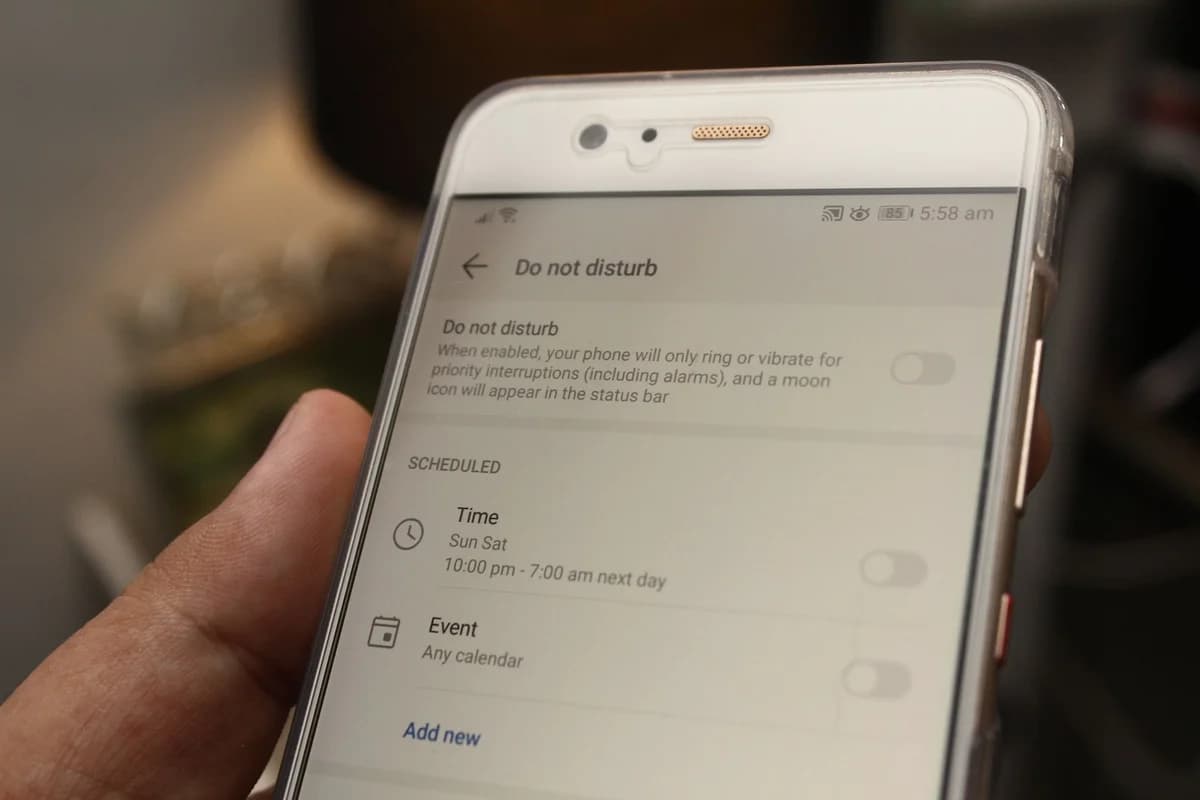
Read →Pausing CostMe reminders temporarily
On a holiday or a hard week, the last thing you want is a nudge. Here's how to pause CostMe's reminders without quitting the habit.
Read →Asking Amy about a specific purchase
When a purchase has you stuck between treat and impulse, ask Amy. Here's how to talk one specific buy through.
Read →How CostMe counts a resist
Tap resist and a small win is recorded. But what exactly counts, and when does CostMe lock it in? Here's the answer.
Read →Reading the vault countdown timer in CostMe
Park a buy and a clock starts. That little countdown is doing more work than it looks. Here's how to read it.
Read →Pinning your top goal in CostMe
When the thing you're saving for sits front and center, every urge has to face it. Here's how to pin your top goal in CostMe.
Read →Searching your CostMe history
Your history grows into a real record of every choice. Here's how to find one entry in the pile without endless scrolling.
Read →How CostMe handles recurring vs one-time costs
A one-time buy and a monthly charge look the same on the price tag. Over years they're nothing alike. Here's how CostMe tells them apart.
Read →Changing your return rate assumption in CostMe
When CostMe shows what a price could become, it assumes a yearly return. Here's what that number is and when to dial it down.
Read →Setting your default currency in CostMe
A price only means something in the right currency. Here's how to set CostMe's default so every number speaks your money.
Read →