FOMO spending: the psychology and the fix
FOMO is what advertisers buy. Once you can see the pattern, the ads lose most of their grip. And so does most impulse spending.
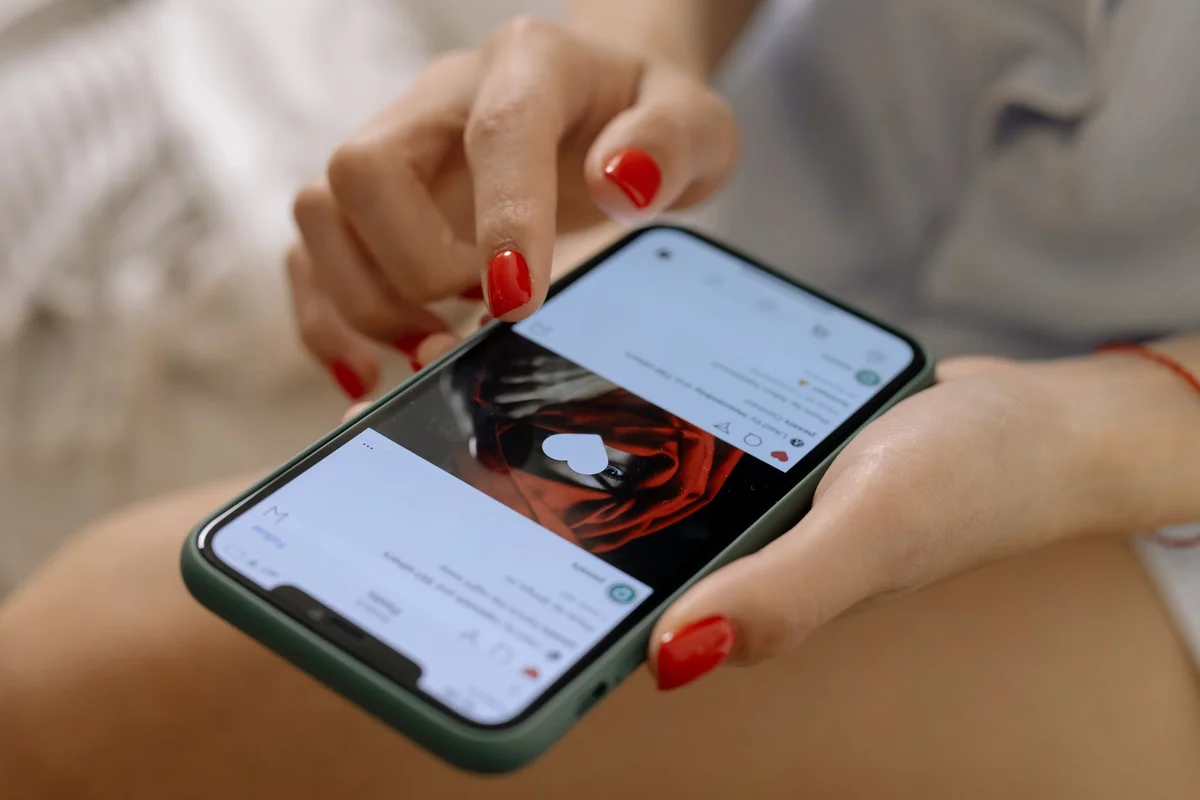
Fear of missing out — FOMO — is the engine behind a significant chunk of consumer spending. It's the reason you bought concert tickets you couldn't really afford because everyone else was going. It's the reason “limited time offer” works on you even when you know it's a manipulation. It's why you have a closet full of clothes from one specific trend cycle.
FOMO is also, fortunately, very well-understood. Once you can see the mechanism, you can defuse it without becoming a hermit.
What FOMO actually is
FOMO isn't a moral failing. It's an evolutionary feature. Humans evolved in small groups where being socially excluded was often fatal. The brain still treats social exclusion (or the threat of it) as a genuine emergency.
Marketing has spent the last century learning to trigger this exact circuit. “Everyone is doing X.” “You'll regret missing this.” “Limited time only.” Every one of these is a deliberate FOMO trigger, designed to bypass deliberate decision-making.
Critically, FOMO doesn't feel like “I'm being manipulated.” It feels like “this is genuinely important and I'll regret it if I don't act.” That's the trick.
The four FOMO patterns to recognize
1. Limited-time / scarcity FOMO
“48 hours only.” “Last 3 in stock.” “Sale ends tonight.” The scarcity itself triggers the buy, regardless of whether you actually want the item.
The fix: 95% of “limited” offers aren't. They repeat on similar timelines. Even when they don't, missing one specific deal is rarely worth abandoning your actual purchase criteria.
2. Social-event FOMO
Concerts, trips, restaurants, festivals. Everyone you know is going. You feel like missing it means missing the experience AND being left out of the future conversations about it.
The fix: you almost never regret skipping the event nearly as much as you feared you would. The conversations move on. Your friendships survive. The next event is in 3 weeks.
3. Investment / opportunity FOMO
Crypto, IPOs, hot stock tips, real estate. Everyone's making money on X; you're “missing out” on free wealth.
The fix: the loudest investment opportunities are usually the ones that have already run. The math on chasing returns is brutal. By the time something is in your social feed, most of the gains have happened and you're likely buying at the peak.
4. Status / identity FOMO
Everyone else has the new phone, the new shoes, the renovation. Not having them feels like falling behind socially.
The fix: most people are looking at their own things, not yours. The status signal you imagine you're sending with the upgrade is being mostly ignored. (See: How Instagram costs you money.)
The defuser: name it
The simplest FOMO countermeasure is naming it out loud (or in your head) when you feel it. “This is FOMO. This is a manufactured urgency. Let me check the actual math.”
Once you name the feeling, the urgency drops significantly. Your prefrontal cortex re-engages. The decision goes from reactive to considered.
This works because FOMO depends on automatic processing. Bringing it into conscious awareness short-circuits the loop.
The structural fix: the 48-hour rule
For FOMO-triggered purchases above your threshold, apply the standard 48-hour rule. The urgency that FOMO manufactures depends on the impulse being acted on quickly — within minutes to hours. 48 hours breaks that loop completely.
For event-based FOMO specifically: notice that “missing out” on an event almost always feels worse in the anticipation than the actual missing. The reality of being home on a Saturday night is fine. The fear of being home is what costs you the $200 ticket plus surrounding spend.
The advanced move: opt out of the feed
The most aggressive FOMO reduction is reducing exposure to the triggers. Concretely:
- Unsubscribe from every retail email. Their sole purpose is FOMO generation.
- Mute social media accounts that consistently make you want to spend. The friend who's always traveling, the influencer who's always wearing new clothes, the brand accounts you follow.
- Set time limits on the apps where FOMO is most acute for you (usually Instagram, TikTok).
- Notice which categories trigger the most FOMO and deliberately limit exposure to that category's marketing.
This isn't about depriving yourself of content. It's about reducing the volume of manufactured urgency you're exposed to per day.
What about the times FOMO is right?
Important nuance: not every “don't miss this” feeling is wrong. Sometimes there is a genuinely once-in-a-lifetime event worth attending, a genuinely limited supply, a genuinely time-sensitive decision.
The test: would the rational version of me agree this is worth it, knowing the opportunity cost? Genuinely rare opportunities pass this test. Manufactured scarcity doesn't.
If you can't articulate why this specific purchase or event is meaningfully different from the next one of its kind, it's probably FOMO doing the talking.
The takeaway
FOMO is engineered to bypass deliberate decision-making. Naming it, adding 48 hours of delay, and reducing your exposure to triggers each cut FOMO-driven spending substantially.
Most things you fear missing out on aren't worth what you'd pay to not miss them. The ones that are will survive the 48-hour test.
How this helps you in CostMe
When a "buy it now" deal pressures you, CostMe's 48-hour vault holds the price so the fake rush passes, and the future-value number cools the heat.
Start free