Food delivery vs cooking at home: the 30-year math
Convenience has a price tag, and food delivery makes it invisible. Here's what 5 orders a week actually costs you over a working life.
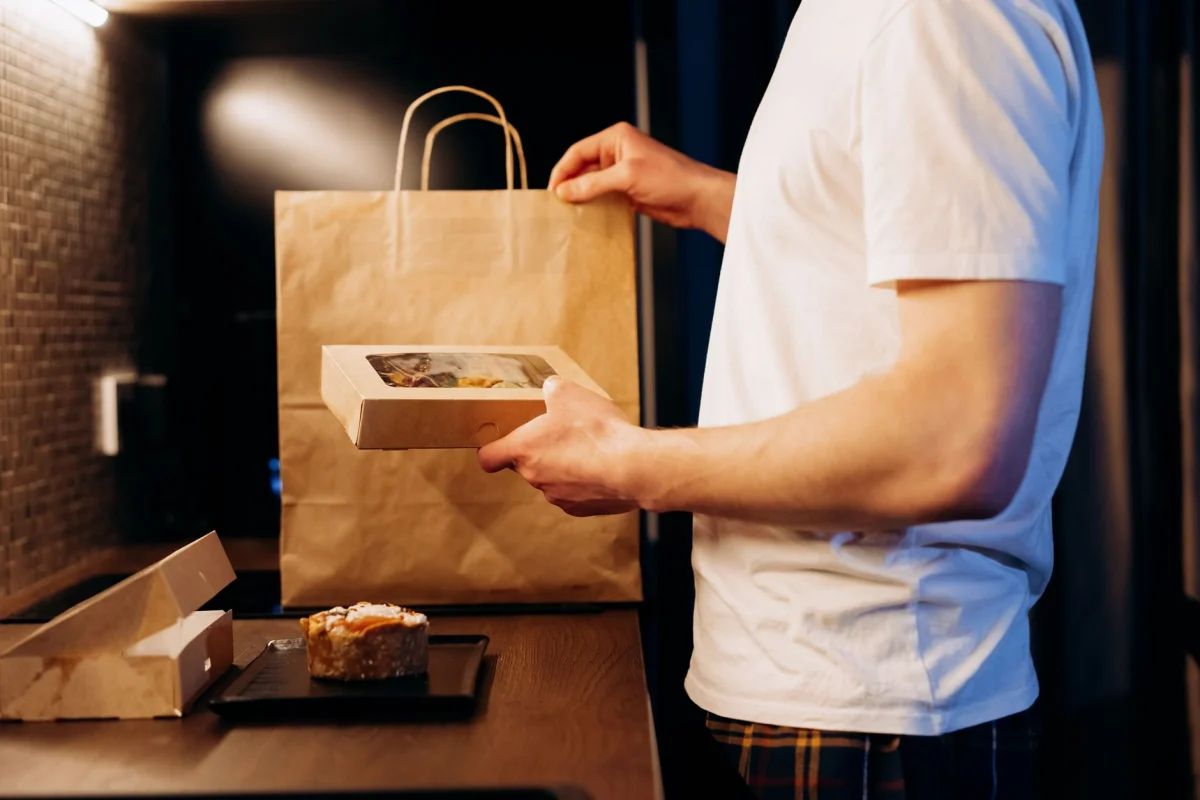
DoorDash, Uber Eats, Grubhub. The order arrives in 30 minutes; the dishes stay clean. For most people in their 20s and 30s, food delivery is the single largest discretionary expense category. And the one they'd be most surprised to see quantified.
Let's do the actual math on a typical delivery habit and what it costs you over a working life.
The honest per-order number
A typical food delivery order in 2026, for a single person ordering a real meal (not just a snack), runs:
- Base order: $18
- Delivery fee: $5
- Service fee: $4 (~15% of subtotal)
- Tip: $5 (the polite minimum)
- Sales tax: $2
- Total: ~$34 per order
That same meal cooked at home (chicken breast, rice, veggies) costs roughly $5 in ingredients. The delivery markup is ~7×.
For couples or families, the absolute dollar amounts scale up, but the markup ratio is similar.
The 5-times-a-week pattern
Industry data suggests heavy delivery users (mostly 22-35 year olds in urban areas) average 4-6 orders per week. Call it 5.
5 orders × $34 = $170/week = $737/month.
Future value at 10% over 30 years:
$737/month → ~$1,666,000 in 30 years
About $500,000 in today's purchasing power after inflation.
For takeout.
This isn't a “you should cook every meal” argument
The point of these articles is never “deprive yourself forever.” The point is to make the trade visible. Some delivery is reasonable. The busy week, the day you genuinely don't have it in you, the meal with friends.
What costs you is the default-mode delivery. The order placed because the kitchen is far and the phone is close. That's the pattern with the seven-figure opportunity cost.
What changes the math, dramatically
Cutting from 5 weekly orders to 2 — keeping the social meals, dropping the “couldn't be bothered” ones — drops the monthly cost from $737 to about $295. Net savings of $442/month.
Future value at 10% over 30 years: ~$1,000,000 redirected to your retirement (~$300K in today's dollars).
For learning to make rice. The trade is unflattering for delivery.
Why this category specifically
Food delivery has three features that make it uniquely expensive:
- The markup is enormous. 7× is not normal for any other category. A coffee shop charges 4× home cost at most. A clothing retailer charges 3× wholesale at most. Delivery is in a class of its own.
- Frequency is high. Daily meals × 30 days × 12 months × 30+ years compounds aggressively.
- The decision is friction-free. One tap. The opposite of cooking, which requires planning, shopping, prep, and cleanup. The path of least resistance has a hidden price tag.
The practical middle path
Some realistic targets:
- 2 delivery meals per week for the genuinely-needed ones (long day, social occasion, sick).
- Pickup instead of delivery when you're ordering anyway. Cuts the per-meal cost by ~30% (no delivery fee, smaller tip, no service charge).
- 3-4 home cooking nights with intentional batch-cooking on weekends. A Sunday afternoon of prep covers 4-5 weekday meals.
- Delete the apps from your home screen. Same trick as for impulse spending. Friction works. (See: How to stop impulse spending without willpower.)
The deeper point
Food delivery is convenience monetized. Every “just order” decision is implicitly buying back time you could have spent cooking. That trade is sometimes worth it. Most of the time, it isn't. But the convenience makes the math invisible.
Do the math once. Then make every “order or cook” decision with the actual price tag visible. The delivery apps will still be there for the times it's worth it.
How this helps you in CostMe
Type a delivery order price into CostMe to see its 30-year cost, and log the nights you cook instead so your savings climb.
Start free