The $4,272 Pair of AirPods
Three pairs of AirPods over three years came to $4,272. The same dollars in an S&P 500 index fund over thirty years would have been close to $74,000. The founder's story of how the two halves of his money brain finally got introduced.
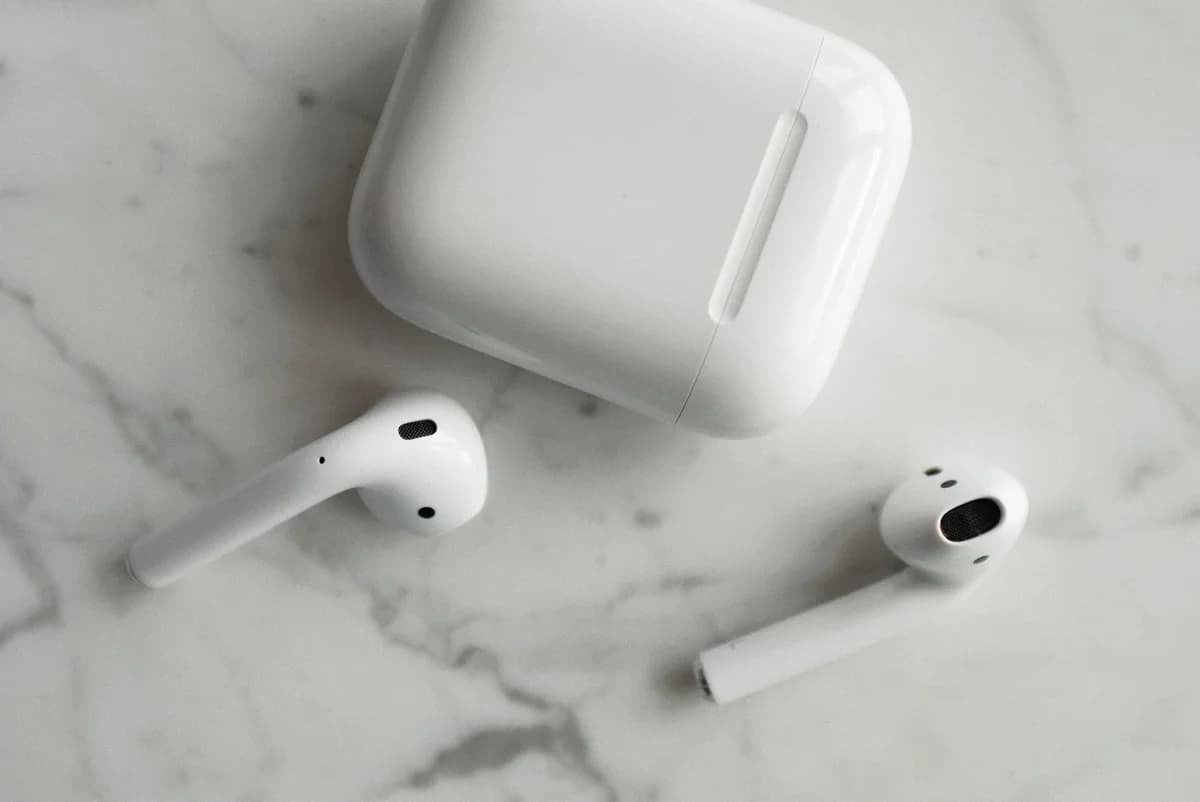
Three years ago I bought a pair of AirPods. Two and a half years ago I bought another pair, because the first had finally given out and the new model promised better noise cancellation. Three months ago I bought the third pair, because the second had developed the same tinny clicking sound in the left ear that the first one had, and a salesperson assured me the new version was the one that had finally solved it.
I added it up one night. Three pairs of AirPods over three years, plus the AppleCare on two of them, plus the replacement tips, plus the impulse charging case I lost. Four thousand two hundred and seventy-two dollars. For wireless earbuds. That I lost, broke, or replaced.
Then I did the second piece of math, the one that hurts.
What the same money would have been
If I had taken the same four thousand two hundred and seventy-two dollars and put it into a low-cost index fund tracking the S&P 500, on the same days I spent it, and left it alone for thirty years at the long-run historical return of roughly ten percent annualized, that money would have grown into about seventy-four thousand dollars by the time I am sixty.
Not seventy-four thousand earbuds. One down payment on a place to live. Or a year of someone's college. Or the gap between an okay retirement and a calm one.
I sat with that number for a long time and tried to understand how a thoughtful person had spent four thousand two hundred dollars on the same product three times without noticing. It was not stupidity. It was not even consumerism, exactly. It was that the part of me that buys things and the part of me that compounds money had never been introduced to each other.
The translation that nobody builds
At the moment you decide to buy something, you are using one mental currency: dollars. Two hundred dollars feels like two cocktails plus a tip. A thousand dollars feels like rent in a small town or a fraction of rent in a big one. Numbers are sharp.
At the moment you decide to save something, you are using a completely different mental currency: time. A retirement plan does not feel like dollars. It feels like a future year you may or may not get to enjoy. Numbers are vague.
The two currencies never meet. Every budgeting app, every spreadsheet, every advice column lives entirely inside the dollar currency. None of them does the translation in the moment you actually need it, which is the second before you tap Buy. By the time you see the dollars on your statement, the decision is done. By the time you see the time retirement projection, the dollars are gone.
So I built the translation layer I needed. I called it CostMe. You type in any price and it shows you what the same money would be in thirty years, invested at a sober long-run market rate. Two hundred dollars at the cocktail bar reads as roughly three thousand four hundred dollars of compounded future. A thousand dollar concert ticket reads as roughly seventeen thousand. The third pair of AirPods reads as a fragment of someone else's down payment.
It does not stop you from buying anything. It just lets you see both prices at once.
What changed after I started using it
I do not buy fewer things. I buy different things. I bought the espresso machine I had wanted for two years because it was going to last me a decade and I was going to use it every morning. I did not buy the fourth pair of AirPods when the third one started clicking. I went to an audio repair shop and paid forty dollars for a new driver.
The point is not asceticism. The point is that I am no longer making the same decision three times and getting surprised at the bill. The compound-forward math used to feel like financial advice. Now it feels like the conversation I am having with myself a thousand times a year. The sunk cost fallacy used to be a thing I read about. Now it is something I catch myself in and walk away from.
For anyone who has done this with their own version of AirPods
Yours might be the dinners. The supplements. The third pair of running shoes from the same brand. The streaming services you cannot remember signing up for. The gear, the clothes, the tools, the one nice bottle that becomes a habit. It is almost never one big mistake. It is the same small invisible decision, made forty times.
The fix is not a budget. A budget is a fence you erect around dollars. The fix is a translator that lets you see what you are actually spending in the currency you actually care about, which is the calm version of yourself thirty years from now.
That is what CostMe is. It is the conversation I needed to have with myself three pairs of AirPods ago. If you have had the same conversation about your own version of the same product, it might be the conversation you need too. See the tiers, or just go type a number into the calculator on the homepage. The first translation is free, and it is the one that changes the rest.
CostMe is live at costme.io. Run your own numbers and see what your habits are really worth.
How this helps you in CostMe
CostMe is the translation layer between the dollars you spend and the time you save, made visible at the moment of decision.
Start free