Tracking where your money goes
Ask where half your paycheck went and most people shrug. That fog is where money leaks. Tracking turns a light on in that room. And the light alone tends to fix things.
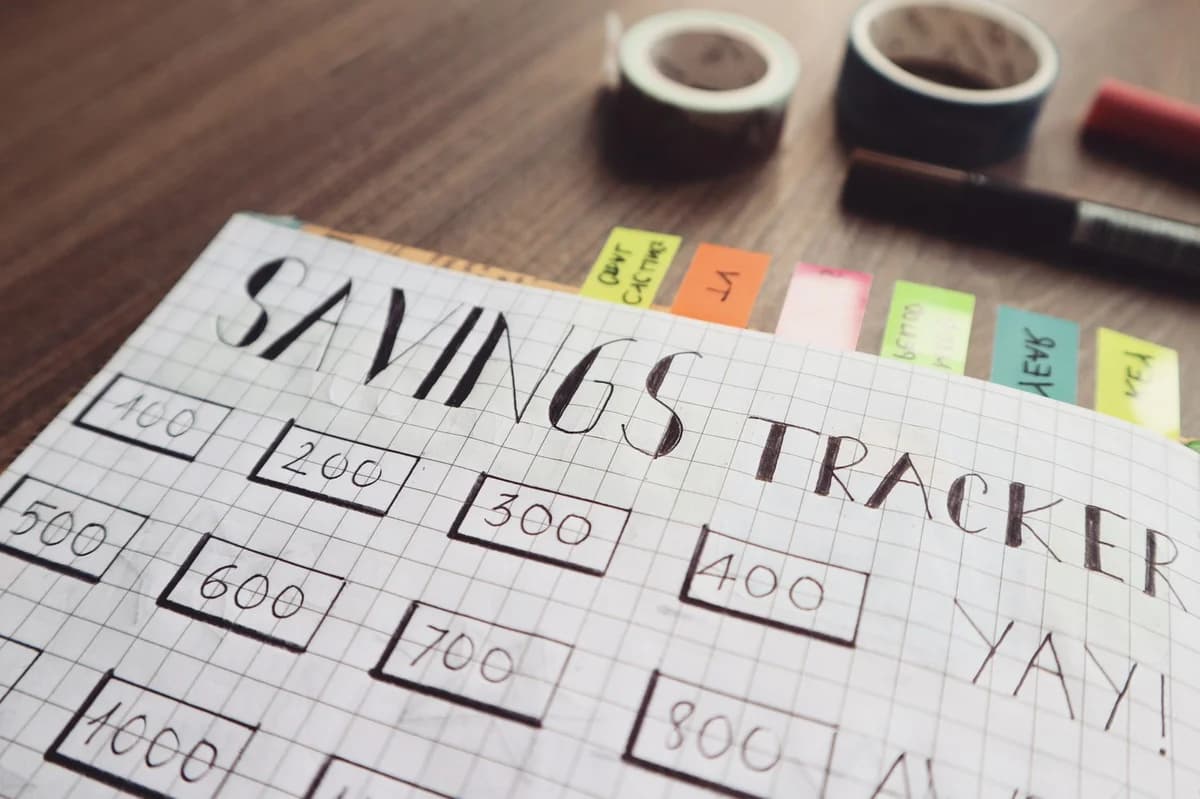
Most people can name their rent and not much else. Ask where the other half of the paycheck went and the answer is a shrug: “Food? Stuff? I am not really sure.” That fog is where money quietly leaks. Tracking is just turning a light on in that room — and the light alone tends to fix things.
Here is why watching your spending changes it, and the easiest way to start without becoming an accountant.
Why tracking works before you even try
There is a strange effect: people who simply write down what they spend tend to spend less, without setting any rule. The act of looking makes each purchase a tiny decision instead of an automatic reflex. You cannot manage a number you never see.
The honest goal of tracking
You are not trying to judge yourself. You are gathering facts. The question is plain: where does my money actually go, versus where I think it goes? The gap between those two is almost always a surprise — and that surprise is the useful part.
The simplest method that works
Pick one month. Every time money leaves your account, jot the amount and a one-word category — food, transport, fun, bills. That is it. No fancy app required to start. At month-end, add up each category and look at the totals with curiosity, not shame.
Watch the small, frequent things
The big buys are obvious and rare. It is the little, repeated ones — the daily coffee, the “only $12” app — that quietly dominate. (See: Why small recurring costs dominate your budget.) Tracking drags these into the light where you can decide if they are worth it.
What to do with what you find
You do not have to cut everything. Keep the spending that brings real joy, and trim the autopilot stuff you would not miss. One cut on a recurring cost saves you every single month, with no further effort.
The takeaway
Track for one month, label each spend with a single word, add up the categories, and look honestly. The looking is the change. You cannot fix a leak you cannot see — so the first move is always to see it.
How this helps you in CostMe
When a price tempts you, CostMe shows it as 30 years of lost growth and logs whether you resisted or bought, keeping a running lifetime-savings number so the score stays visible.
Start free