What is a stock? A plain-English guide
The news says stocks went up. Your coworker bought some. But what is a stock, really? It's a tiny slice of a real business. And that's the whole idea.
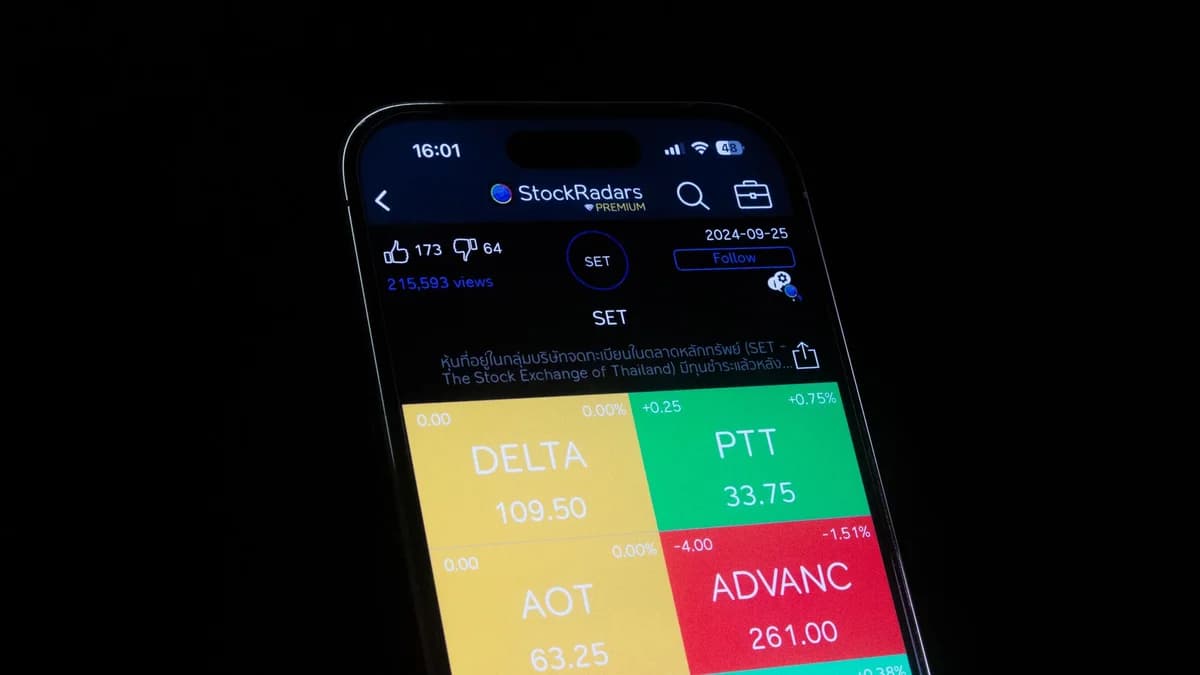
You hear the word “stock” every day. The news says stocks went up. Your coworker says she bought some. But what is a stock, really? Here it is in the simplest words possible.
A stock is a tiny piece of a company. When you own a stock, you own a small slice of a real business. That's it. That's the whole idea.
The one-sentence version
A stock (also called a share) means you own part of a company. If you own one share of a coffee company, you own a tiny bit of every store, every machine, and every cup they sell.
Why companies sell stock
Companies need money to grow. They can borrow it, or they can sell little pieces of themselves to the public. When they sell pieces, those pieces are stocks. People who buy them give the company cash. In return, they get to own a slice.
So when you buy a stock, you are buying a piece that someone else is selling. The price goes up and down based on what people think the company is worth.
How you make money from a stock
Two ways. First, the price can go up. If you buy a share for $50 and it later sells for $80, you made $30 if you sell it.
Second, some companies pay you just for holding the stock. That payment is called a dividend — a small cash reward sent to owners, usually a few times a year. (See: Dividends explained.)
The catch: prices fall too
A stock can also lose value. If the company does badly, or the whole market drops, your share can be worth less than you paid. That is the risk. Stocks can grow your money fast, but they can also shrink it.
This is why most beginners are told not to bet everything on one company. One company can fail. A whole basket of companies is far steadier. (See: Diversification, in plain English.)
One stock vs many
Picking one winning stock is hard, even for the pros. That is why so many people buy an index fund instead — a single thing that holds hundreds of stocks at once. You get a tiny piece of all of them. (See: Index funds explained.)
The honest takeaway
A stock is a small piece of a real company. You can make money if it grows or if it pays you a dividend. You can lose money if it falls. Owning many companies at once is the calmer, more reliable path for most people.
Over long stretches of history, a broad basket of U.S. stocks has grown about 10% per year on average. That is the past, not a promise — but it is why so many people put their saved money to work in stocks for the long run. (See: What “the S&P 500 averages 10% a year” actually means.)
How this helps you in CostMe
Money for stocks has to come from somewhere. CostMe turns a tempting price into its 30-year invested value, so the buys you resist become real savings you could put to work.
Start free